

The Impact of Daytime Napping on Athletic Performance: A Comprehensive Analysis
In the competitive world of sports, athletes continuously seek strategies to optimize their physical performance and gain an edge over their rivals. Among various recovery and performance-enhancement techniques, daytime napping has emerged as a popular strategy to supplement nighttime sleep.
Given the intense interest in the potential benefits of napping for athletes, a recent systematic review and meta-analysis sheds light on how daytime naps, following a normal night of sleep, can influence physical performance. This article delves into the findings of this study, exploring the benefits and limitations of daytime napping for physically active individuals and athletes.
Background
Daytime napping is increasingly recognised for its potential to boost cognitive and physical performance. For athletes who often face the challenge of OPTIMISING recovery and performance within tight schedules, napping could offer a valuable tool to enhance daytime functioning and athletic capabilities.
Despite anecdotal evidence supporting the benefits of napping, there has been a lack of comprehensive research ANALYSING its effects on physical performance following a standard 7 to 9 hours of nighttime sleep.
Objective
The study aimed to provide a meta-analytical overview of the impact of daytime napping on physical performance among athletes and physically active individuals who have had a normal night of sleep.
This objective is particularly relevant in sports science, where understanding and optimizing recovery processes can significantly influence training and competition outcomes.
Methods
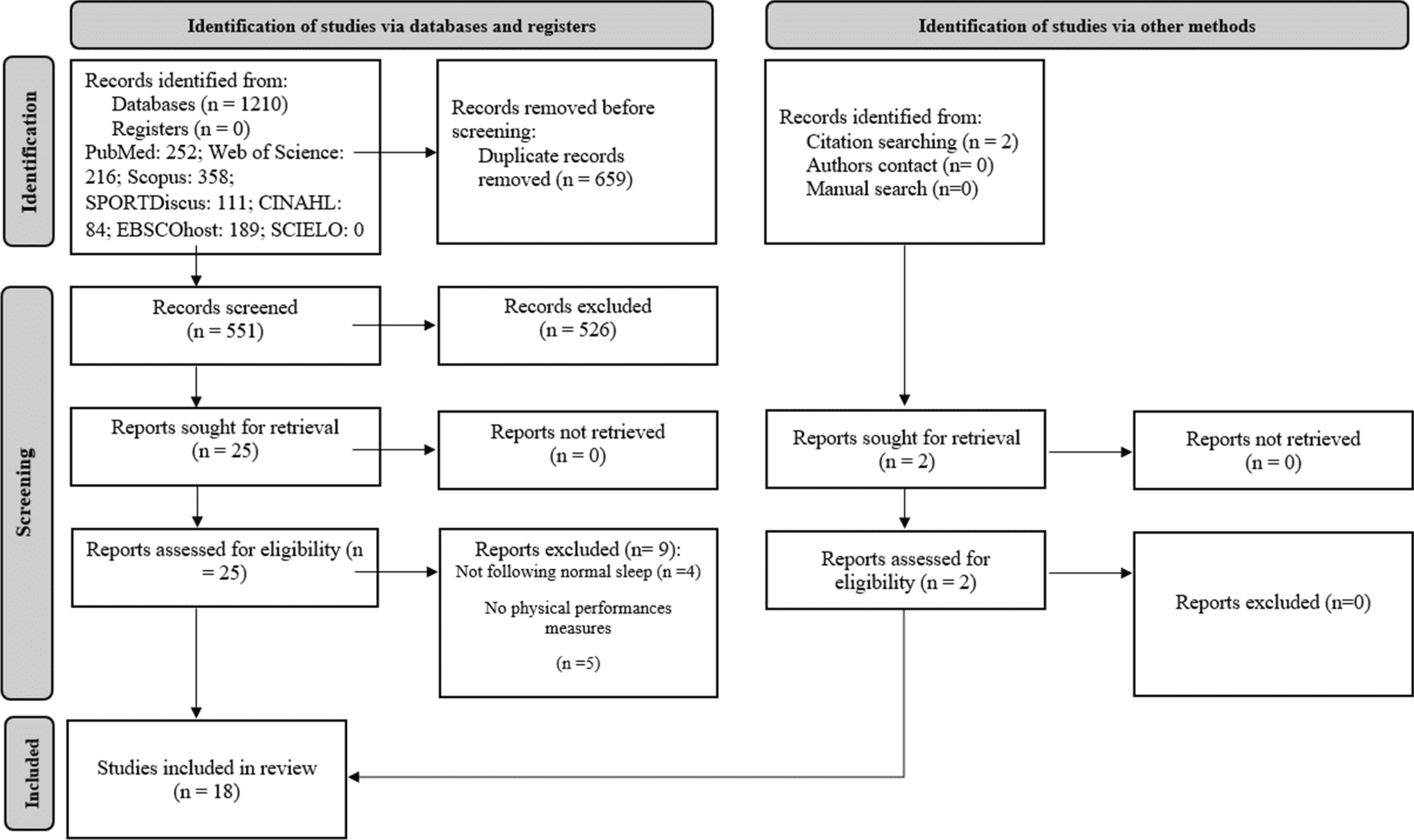
PRISMA Flow Diagram.
Adhering to the rigorous Preferred Reporting Items for Systematic Reviews and Meta-Analysis (PRISMA) guidelines, the research involved a thorough examination of seven electronic databases.
The study focused on identifying research that evaluated the effects of daytime napping on various physical performance measures in the target population. Methodological quality was assessed using the QualSyst tool, ensuring the inclusion of studies that met high-quality standards.
Results
The analysis included 18 articles, with 15 deemed of strong quality and 3 of moderate quality. Key findings revealed that compared to no-nap conditions, napping led to significant improvements in specific performance metrics:
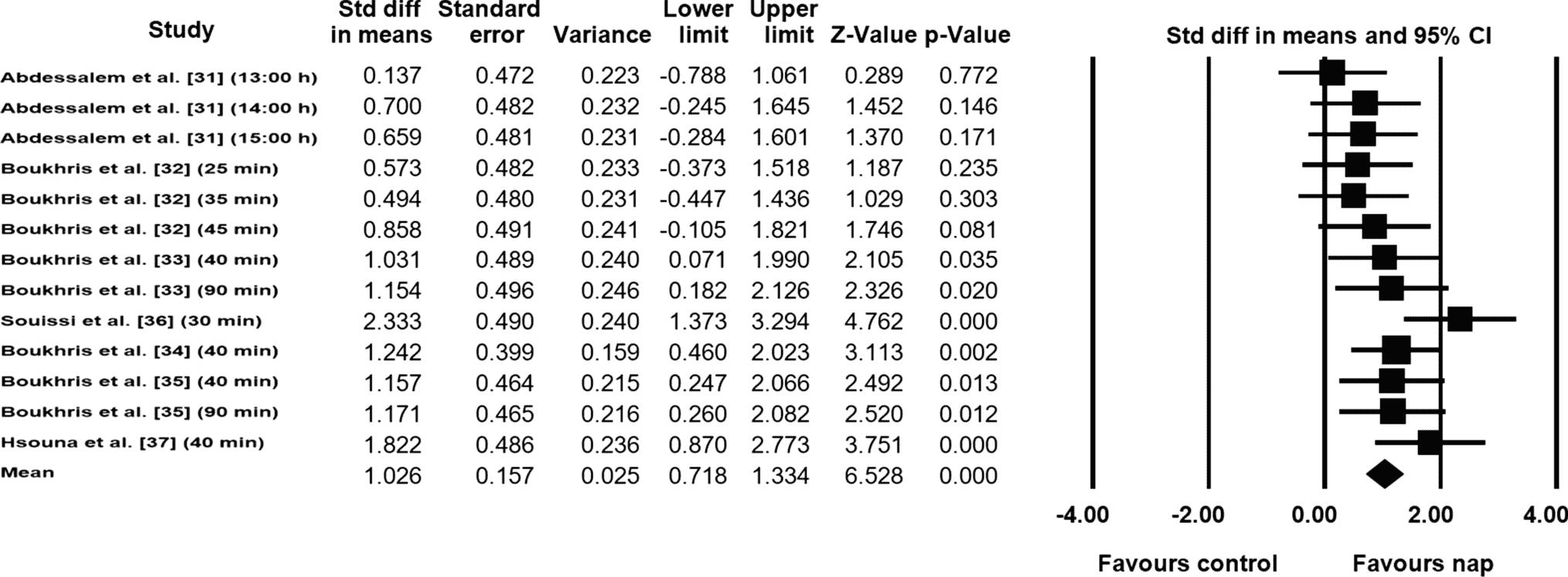
Forest plot for the impact of daytime napping following normal sleep on highest distance during the 5-m shuttle run test. Std diff standard difference, CI confidence intervals
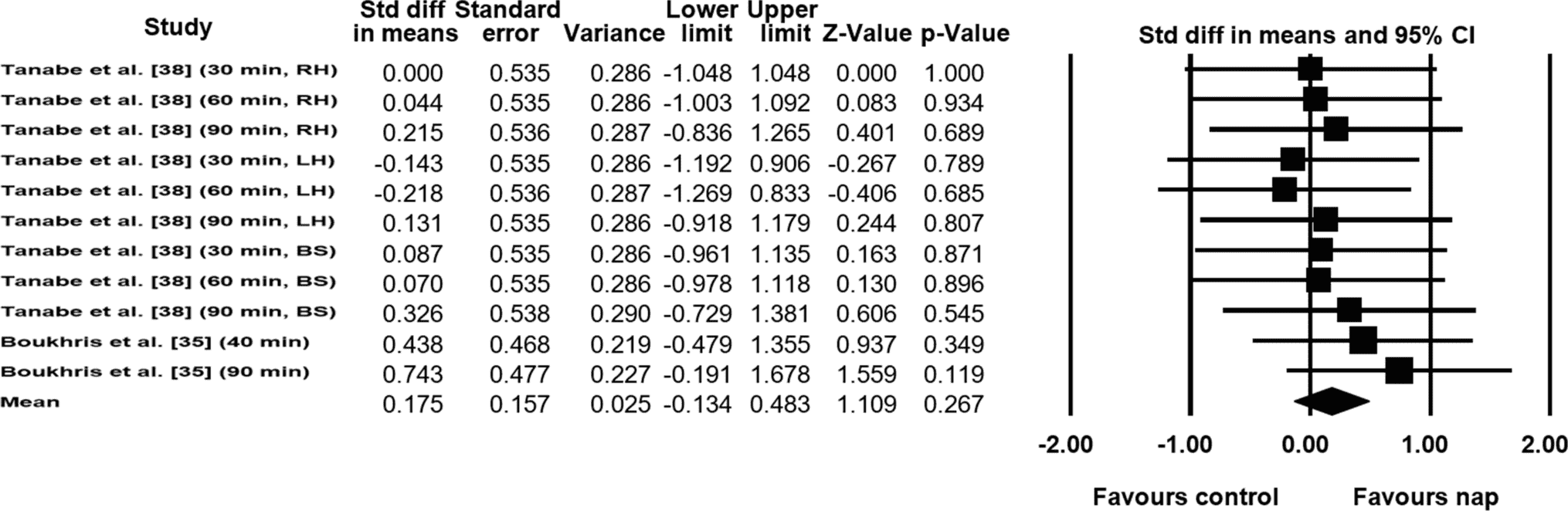
Forest plot for the impact of daytime napping following normal sleep on muscle force. Std diff standard difference, CI confidence intervals, RH right hand, LH left hand, BS back strength
Highest Distance and Total Distance: There was a notable increase in distances covered during the 5-m shuttle run test, indicating enhanced endurance and speed.
Fatigue Index: A decrease in the fatigue index suggests that napping may help in sustaining higher performance levels for longer durations.
Jump and Repeated Sprints Performance: Improvements in these areas highlight the potential benefits of napping in sports requiring explosive power and speed endurance.
Upper-body Power and Endurance Performance: While results were mixed, there were indications that napping could benefit specific types of athletic performance.
However, the study found no significant effect of napping on muscle force, and the impact on sprint performance and the 30s Wingate test was inconclusive due to limited data.

Conclusion
The STUDY concluded that daytime napping, following normal nighttime sleep, can positively affect physical performance, particularly in endurance tests like the 5m shuttle run. However, the evidence regarding other performance measures remains inconclusive, highlighting the need for further research.
Key Points for Athletic Performance Enhancement
Supplementing Sleep: Daytime naps can be an effective strategy to supplement nighttime sleep, especially before afternoon training sessions or competitions.
Optimising Nap Length: Longer naps may offer more significant benefits for physical performance, though optimal durations can vary based on individual needs and specific sports requirements.
Considerations for Effective Napping: The impact of napping on performance can depend on various factors, including nap duration, timing, potential sleep inertia effects, and the type of exercise or sport.
PERSONALISED Approach: Athletes and coaches should consider individual responses to napping and adjust nap strategies to best fit personal and sport-specific demands.
Final Thoughts
This study underscores the potential of daytime napping as a valuable component of an athlete's recovery and performance strategy. While napping shows promise in enhancing certain aspects of physical performance, the variability in individual responses and the specificity of sports demands call for a personalised approach.
As the science of sleep and performance continues to evolve, athletes and coaches are encouraged to integrate evidence-based practices, like daytime napping, into their training regimens, with an understanding of the factors that influence its effectiveness.
Keywords: Daytime Napping, Athletic Performance, Physical Performance, Recovery Strategies, Sleep Supplementation, Endurance Performance, Systematic Review and Meta-Analysis
This comprehensive analysis offers insights into the nuanced relationship between sleep, recovery, and performance, providing a valuable resource for athletes seeking to MAXIMISE their potential through OPTIMISED recovery strategies.